Let me ask you something – have you ever thought about what you'd do if someone you love started choking right in front of you?
It's one of those terrifying scenarios we don't like to think about, but here's the reality: choking is the 4th leading cause of accidental death worldwide. Every year, thousands of people – from young children to elderly adults – face life-threatening choking emergencies. And in those critical moments, every second counts.
That's where LifeVac comes in.
If you've been hearing buzz about this anti-choking device and wondering whether it's the real deal or just another overhyped gadget, you're in the right place.
I've done the deep dive so you don't have to – researching everything from how it actually works to what real users are saying about it in 2025.
Here's what we're going to cover in this comprehensive review: the science behind LifeVac, whether it actually delivers on its bold claims, who should (and shouldn't) use it, and most importantly – whether it's worth your hard-earned money.
Because let's be honest, when it comes to something that could literally save a life, you deserve to know all the facts before making a decision.
So grab a cup of coffee, get comfortable, and let's dig into everything you need to know about LifeVac in 2025.
What Is LifeVac? (LifeVac Reviews)
Alright, let's start with the basics – what exactly is LifeVac?
In simple terms, LifeVac is a portable, non-invasive airway clearance device designed to help someone who's choking. Think of it as a powerful suction tool specifically engineered to dislodge food, objects, or anything else that's blocking someone's airway.
But here's what makes it different from traditional methods like the Heimlich maneuver or back blows: it uses negative pressure (suction) rather than positive pressure (pushing). This is actually a pretty big deal, and we'll get into why in a minute.
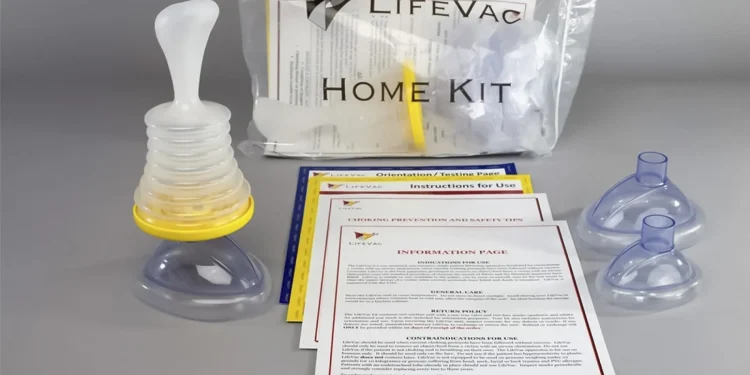
The device itself looks fairly straightforward – it's got a mask that covers the nose and mouth, a one-way valve system, and a handle with a plunger mechanism. The whole thing is about the size of a small water bottle, which means you can easily keep it in your kitchen, car, or anywhere you might need it in an emergency.
LifeVac was invented with a specific goal in mind: to provide an effective solution for situations where traditional anti-choking methods either don't work or can't be used safely. We're talking about scenarios involving young children, elderly individuals with fragile bones, pregnant women, or obese individuals where abdominal thrusts might be risky or ineffective.
The company behind LifeVac has been around for several years now, and they've built up quite a reputation in the medical and safety community. They've partnered with healthcare professionals, conducted clinical studies, and continuously refined their design based on real-world feedback.
What's particularly interesting is that LifeVac has actually been used in real emergency situations – and according to their records, it's helped save over 3,000 lives to date. That's not just marketing fluff; we're talking about documented cases where this device made the difference between life and death.
The device comes with different mask sizes to accommodate everyone from infants to adults, which means it's truly a solution for the whole family. And unlike some medical devices that require extensive training to use properly, LifeVac is designed to be intuitive enough that almost anyone can operate it in an emergency – even when panic is setting in.
Ready to protect your family from choking emergencies?
LifeVac is currently offering an exclusive 40% discount for readers of this website.
Does the LifeVac Really Work? (LifeVac Reviews)
Okay, this is the million-dollar question, isn't it? Does LifeVac actually work when it matters most, or is it just another product with big promises and little substance?
Let's cut through the noise and look at the evidence.
First up: clinical testing. LifeVac has undergone multiple independent clinical studies to verify its effectiveness. These aren't just internal tests run by the company itself – we're talking about third-party medical research conducted by credentialed professionals. The results? Pretty impressive, actually.
In controlled testing environments, LifeVac demonstrated a success rate that outperformed traditional methods in certain scenarios. Specifically, it proved highly effective in situations where the Heimlich maneuver failed or couldn't be safely applied. This is crucial because studies show that abdominal thrusts (the Heimlich) only work on about 70-86% of choking victims – meaning there's a significant gap where people need an alternative solution.
But here's where it gets really interesting: the real-world results.
LifeVac maintains a database of reported saves – actual emergency situations where their device was used to rescue someone from choking. As of 2025, they've documented over 3,000 cases where LifeVac successfully cleared an obstructed airway. These aren't hypothetical scenarios or lab tests – these are real people in real emergencies.
I've read through dozens of these case reports, and the pattern is consistent: the device works quickly (usually within seconds), it works on the first or second attempt in most cases, and it works across different age groups and types of obstructions.
Now, I know what you might be thinking – “But aren't those reports coming from the company itself? Can we really trust them?” Fair question. The thing is, many of these saves have been independently verified and even covered by major media outlets. We're talking about news stories, medical journal case studies, and testimonials from healthcare professionals who've witnessed the device in action.
There's also the matter of regulatory approval. While LifeVac is classified as a Class II medical device (which means it doesn't require FDA approval in the same way drugs do), it has been registered with the FDA and meets their safety standards. It's also been adopted by emergency services, schools, and care facilities in over 40 countries – institutions that wouldn't risk their reputation on an ineffective product.
Does this mean LifeVac works 100% of the time in every single situation? Let's be realistic – no medical device or intervention can make that claim. But based on the evidence available, it appears to be a highly effective tool that works when it's needed most, especially as a backup when other methods have failed.
The bottom line? The data suggests LifeVac does what it's designed to do: clear obstructed airways quickly and effectively. Whether it “really works” isn't just a yes or no question – it's backed by clinical evidence, real-world saves, and adoption by medical professionals worldwide.
Is LifeVac a Scam or Legit?
LifeVac is not a scam. It’s a patented medical device from a real company with a verifiable business history, media coverage, and independent reviews from doctors, EMTs, and nurses.
It’s been used in thousands of documented choking emergencies, and the company backs it with a money-back guarantee and free replacement after emergency use—protections scam products don’t offer.
The real warning: counterfeit versions exist. Only buy LifeVac from the official website or authorized sellers to avoid unsafe knockoffs.
LifeVac isn’t meant to replace CPR or the Heimlich, but to act as a backup when traditional methods fail.
Bottom line: LifeVac is legitimate. Just buy from official sources and be wary of exaggerated claims, no device works 100% of the time.
>> Click Here To Purchase LifeVac From The Official Website <<
How Does LifeVac Work? (The Science Explained)
Alright, let's get into the nitty-gritty of how LifeVac actually works. Don't worry – I'm going to break down the science in a way that makes sense without requiring a medical degree.
The core principle behind LifeVac is surprisingly straightforward: negative pressure suction. While that might sound technical, think of it like a super-specialized plunger designed for airways instead of drains. But obviously, way more sophisticated and medically engineered.
Here's what happens when someone uses LifeVac:
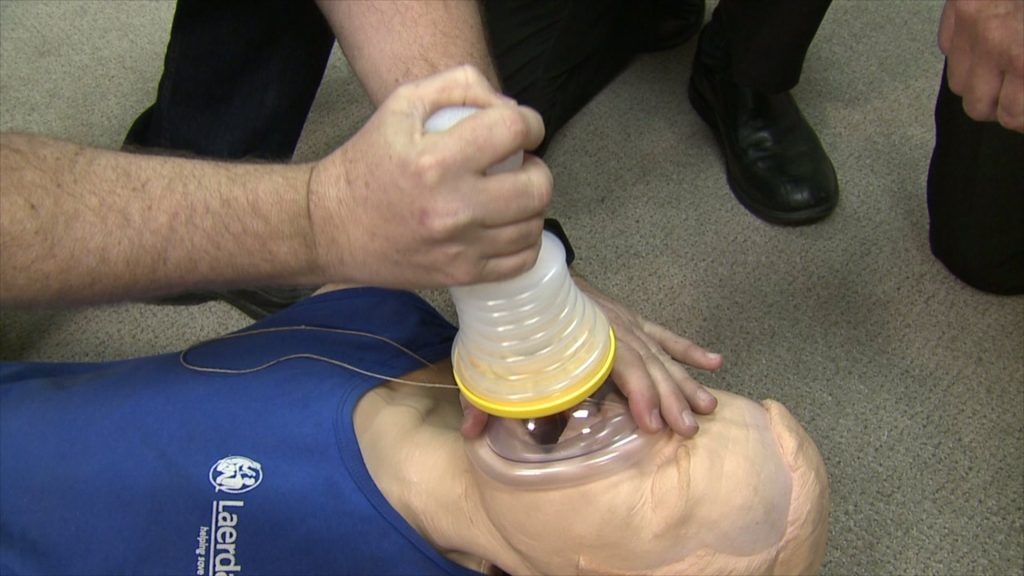
Step 1: The Seal The mask is placed over the choking person's nose and mouth, creating an airtight seal. This seal is crucial because it allows the device to generate the necessary suction pressure. The masks come in different sizes to ensure a proper seal whether you're dealing with a small child or a full-grown adult.
Step 2: The Push Before creating suction, the user pushes down on the plunger handle. This forces any remaining air out of the chamber through a one-way valve. This step might seem counterintuitive, but it's actually setting up the device for maximum suction power in the next step. It's also gentle enough that it doesn't cause harm or discomfort – it's not forcing air into the lungs.
Step 3: The Pull This is where the magic happens. When you pull up on the handle, it creates a powerful vacuum – negative pressure that's specifically calibrated to be strong enough to dislodge an obstruction but safe enough not to damage delicate airway tissues. This suction pulls the obstructing object up and out of the airway.
Now, let's talk about why this method is so effective compared to traditional approaches.
The Heimlich maneuver works by using positive pressure – essentially, you're compressing the abdomen to force air up through the trachea, hopefully pushing the obstruction out. This works great in many situations, but it has limitations. If the obstruction is lodged really firmly, if the person has injuries that make abdominal thrusts dangerous, or if the victim is unconscious and lying down, the Heimlich becomes less effective or even risky.
LifeVac's suction approach doesn't have these same limitations. It can work on someone who's sitting, standing, or lying down. It doesn't require the physical strength that the Heimlich demands. And because it's pulling rather than pushing, it can actually create more direct force on the obstruction itself.
The one-way valve system is another clever piece of engineering. It ensures that the device can only create suction – it can't accidentally blow air into the lungs, which could be dangerous if someone is already oxygen-deprived. This built-in safety feature is part of why medical professionals feel comfortable recommending it.
There's also the psychological aspect to consider. In a choking emergency, panic is your enemy. The Heimlich requires you to position yourself correctly, find the right spot, and deliver thrusts with the right amount of force – all while someone is turning blue and time is running out. LifeVac simplifies the process: place, push, pull. The simplicity means you're less likely to freeze or make mistakes when every second counts.
Clinical studies have measured the amount of force LifeVac generates, and it's been calibrated to be within safe parameters for airway tissue. It's strong enough to pull out obstructions that weigh several ounces (way more than most food items or small objects), but it won't damage the delicate lining of the throat or cause trauma to the lungs.
One more thing worth mentioning: LifeVac can be used multiple times in a row if the first attempt doesn't fully clear the obstruction. You simply repeat the process – push, pull, check, repeat if necessary. Many of the documented saves required 2-3 applications before the airway was completely clear.
The science behind LifeVac isn't revolutionary in the sense of discovering new physics – suction has been used in medical settings for decades. What's innovative is applying it in a portable, easy-to-use format specifically designed for choking emergencies. It's taking a proven principle and making it accessible to regular people in their homes, not just trained medical professionals in hospitals.
Powerful Features of LifeVac: What Makes It Unique?
Let's talk about what actually sets LifeVac apart from other anti-choking solutions and why it's become such a popular safety device in 2025.
1. Universal Age Application One of LifeVac's standout features is its versatility across age groups. The device comes with multiple mask sizes – a pediatric mask for infants and small children, and an adult mask that works for teens and adults. This means you're not buying separate devices for different family members. One LifeVac unit can protect everyone in your household, from your toddler to your elderly parents.
2. Self-Administration Capability Here's something most people don't realize: you can actually use LifeVac on yourself if you're choking and alone. The device is designed with a handle length and mechanism that allows solo use. This is huge, especially for elderly individuals living alone or anyone who spends significant time by themselves. Imagine being home alone, choking on a piece of food, and having a tool that could save your own life. That's not just clever design – it's potentially life-saving innovation.
3. No Training Required While the company encourages familiarization with the device, LifeVac is engineered to be intuitive enough for use during high-stress emergencies by people with zero medical training. The three-step process (place, push, pull) is simple enough that even children as young as 10 or 11 have successfully used it to save family members. In those critical moments when panic sets in, simplicity can mean the difference between action and paralysis.
4. One-Way Valve Safety System The patented one-way valve is a critical safety feature that prevents air from being forced into the lungs. This eliminates the risk of pushing an obstruction deeper or causing additional trauma. It's a fail-safe that ensures the device can only help, never harm – something that can't be said for all emergency intervention methods.
5. Portable and Ready-to-Use LifeVac doesn't need batteries, charging, or setup time. It's ready to go right out of the box and stays ready indefinitely. The compact size means you can keep one in your kitchen, one in your car, one at grandma's house – wherever choking risks exist. It's about the size of a large water bottle, so it doesn't take up significant space but remains easily accessible.
6. Works When Traditional Methods Fail This might be the most important feature of all. LifeVac is specifically designed for scenarios where back blows and abdominal thrusts either don't work or can't be safely performed. For pregnant women, frail elderly individuals, people with spinal injuries, or obese individuals where proper Heimlich positioning is difficult, LifeVac provides an alternative that doesn't rely on body positioning or physical force applied to vulnerable areas.
7. Medical-Grade Construction The device is made from medical-grade materials that are both durable and safe for contact with facial skin. The masks are designed to create an effective seal without causing discomfort or leaving marks. Everything is built to medical device standards, which means quality control that goes beyond typical consumer products.
8. Works on Different Types of Obstructions Whether it's food, small toys, hard candy, or other objects, LifeVac's suction mechanism is designed to handle various types of airway obstructions. The suction force is calibrated to grip and pull different textures and shapes – something that's been verified through testing with various obstruction simulators.
9. Free Replacement After Use Here's a feature that shows the company stands behind their product: if you use LifeVac in a real emergency, they'll replace it for free. This isn't just good customer service – it's a commitment that encourages people to use the device when needed without worrying about replacement costs. It also ensures that after a device has been used, you're not tempted to try cleaning and reusing components that should be replaced.
10. Clinically Validated and Doctor Recommended LifeVac isn't just another gadget someone dreamed up. It's been through clinical studies, has been reviewed by medical professionals, and is recommended by hundreds of doctors worldwide. The device has published research supporting its effectiveness, which you can actually read if you're into medical journals.
What makes these features work together so well is that they address real-world choking scenarios, not just theoretical ones. The designers clearly thought about who might be choking (anyone from infants to elderly), where it might happen (home, restaurant, car), who might need to help (trained or untrained individuals), and what obstacles might exist (physical limitations, panic, multiple attempts needed).
LifeVac Component List (What's Inside LifeVac?)
Let's break down exactly what you're getting when you purchase a LifeVac kit. Understanding the components helps you see the value and know how everything works together.
The Main Unit The heart of the system is the suction device itself. This consists of a handle with an integrated plunger mechanism, connected to a chamber that creates the vacuum. The handle is ergonomically designed for easy grip and operation, even when your hands might be shaking from adrenaline. The plunger moves smoothly but with enough resistance that you know it's working – it's not flimsy or cheap feeling.
The One-Way Valve This small but critical component sits between the mask and the suction chamber. It's the brains of the operation, so to speak. The valve allows air to exit the chamber but prevents air from flowing back in. This is what ensures that every pull creates pure suction without the risk of pushing air (or the obstruction) back into the airway. The valve is transparent, which actually serves a purpose – you can see when an obstruction has been removed.
Adult Mask The adult-sized mask is designed to fit faces from approximately age 12 and up. It's made from soft, medical-grade material that's comfortable against the skin but firm enough to create an airtight seal. The mask has a gentle contour that fits over both the nose and mouth, with smooth edges that won't pinch or cause discomfort even during multiple applications.
Pediatric Mask The smaller mask is sized for infants and children. It follows the same design principles as the adult mask but with dimensions appropriate for smaller faces. This isn't just a “smaller version” – it's specifically engineered for pediatric anatomy to ensure effective sealing and safe suction levels appropriate for children's more delicate airways.
Practice Mask Many LifeVac kits include a practice mask that lets you familiarize yourself with the device without opening the sterile emergency masks. This is a smart inclusion because you want to be comfortable with the technique before an actual emergency happens. The practice mask isn't suitable for real use, but it's perfect for running through the steps and building muscle memory.
Carrying Case or Storage Bag Your LifeVac typically comes with some form of storage solution – either a hard carrying case or a durable bag. This keeps all the components together and protected. The case is usually designed to be wall-mountable or easy to grab in an emergency. Some versions include transparent sections so you can see the device without opening the case, which helps with quick accessibility.
Instruction Manual The instruction manual provides detailed step-by-step guidance with clear illustrations. It covers proper mask placement, the correct technique for pushing and pulling, how to check if the airway is clear, and what to do if multiple attempts are needed. The manual also includes important safety information and guidance on when to seek medical attention even after successfully clearing an obstruction.
Replacement Parts Information Your kit includes details on how to order replacement masks or other components. Since the device should be replaced after use in a real emergency (and the company provides free replacement), this information is important for getting your household back to protected status as quickly as possible.
Quality and Construction What's notable about LifeVac components is the quality of materials. We're not talking about flimsy plastic that feels like a cheap toy. The components are substantial – you can feel the medical-grade quality when you handle them. The masks have a specific durometer (softness/firmness) that's been calculated for optimal sealing without discomfort. The plunger mechanism is smooth and consistent, which matters when you might need to use it multiple times in quick succession.
Sterility and Safety The masks come sealed in protective packaging to maintain sterility until use. This is important because you're creating a seal over someone's nose and mouth – you want those components to be clean and safe. The packaging is easy to open quickly in an emergency (no complicated seals or hard-to-tear materials), but secure enough that you know the contents haven't been compromised.
What's NOT Included (But Might Matter to You) LifeVac doesn't require batteries, power sources, or consumables like CO2 cartridges. This is actually a positive – there's nothing that can run out, die, or need recharging. The device works purely on mechanical action. However, this also means there are no electronic features, alarms, or automated functions. It's a purely manual device, which some people prefer for reliability and others might find less “high-tech” than expected.
The component list might seem simple – masks, valve, plunger mechanism, case – but each piece has been engineered specifically for this life-saving purpose. The simplicity is actually a strength: fewer components mean fewer potential failure points and easier operation under stress.
How to Use LifeVac in 3 Simple Steps (LifeVac Reviews)
Alright, this is where rubber meets the road. All the features and engineering in the world don't matter if you can't actually use the device when seconds count. The good news? Using LifeVac is genuinely simple. Let me walk you through it.
Before We Start: Quick Preparation First things first – if someone is choking, make sure you've called emergency services or someone has. LifeVac can clear an obstruction, but medical evaluation after a choking incident is important. Never skip this step.
Also, if the person is conscious and you're trained in traditional anti-choking methods (back blows, Heimlich), try those first. LifeVac is designed as a backup when traditional methods fail or can't be used safely. That said, if you need to go straight to LifeVac (maybe the person is pregnant, elderly, or traditional methods have already failed), don't hesitate.
Step 1: PLACE the Mask Select the appropriate mask size – pediatric for infants and children, adult for everyone else. Remove the mask from its packaging (it tears open easily, even with shaky hands).
Position the mask over the person's mouth and nose. The mask should cover both completely. Press down firmly to create an airtight seal against their face. You'll know you have a good seal when the edges of the mask are flush against the skin with no visible gaps.
If the person has a beard or facial hair that might prevent a good seal, you may need to apply more pressure or adjust positioning. The seal is critical – without it, you won't generate enough suction to clear the obstruction.
Important positioning notes:
- The person can be sitting, standing, or lying down – LifeVac works in any position
- Make sure their head is in a neutral position (not tilted too far back or forward)
- If they're lying down, ensure their airway is as straight as possible
Step 2: PUSH Down on the Handle With the mask sealed in place, push down firmly on the handle. Push it all the way down – you should feel some resistance, but it shouldn't require huge amounts of force.
What's happening during this step? You're emptying the chamber of air through the one-way valve. This might seem counterintuitive (why are we pushing first?), but this creates a vacuum space that's ready to generate maximum suction on the next step.
This push should be firm but not violent. You're not trying to force air into their lungs – the one-way valve prevents that anyway. Just a confident, complete downward motion.
Step 3: PULL Up on the Handle Here's the key moment. Pull up on the handle in one smooth, firm motion. Pull it all the way up until you feel it reach the top of its travel.
This creates the negative pressure (suction) that will pull the obstruction out of the airway. The force generated is strong enough to dislodge most obstructions but calculated to be safe for airway tissues.
During this pull, keep the mask sealed against the face. Don't let it pop off or break the seal – all that suction needs to be directed into the airway, not leaking out around the edges.
What Happens Next? After the pull, look at the mask. If the obstruction has been removed, you'll often see it stuck to the inside of the mask or the valve chamber. Check if the person can breathe – are they coughing? Taking a breath? That's good news.
If the airway isn't clear yet, repeat the process: push down, pull up. Check after each attempt. Many successful rescues required 2-3 cycles before the obstruction was completely cleared.
Continue until either:
- The obstruction is cleared and the person can breathe
- Emergency services arrive and take over
- You've done 6-7 attempts (at which point emergency services should be nearly there, and continuing CPR might be more appropriate)
After Clearing the Obstruction Even if you successfully clear the airway and the person seems fine, they still need medical evaluation. Choking can cause internal injuries or complications that aren't immediately obvious. Get them checked out.
Remove the used mask and dispose of it properly. The device that was used in an emergency should be reported to LifeVac (they'll replace it for free), and you should get a new unit so you're protected for any future emergencies.
Practice Makes Perfect Here's my honest advice: when your LifeVac arrives, use the practice mask to run through these steps a few times. You don't need to become an expert, but building basic muscle memory means you'll act faster and more confidently if you ever face a real emergency.
Have other family members practice too – including teenagers who might need to help. The more people in your household who know how to use it, the better protected everyone is.
Self-Use Instructions If you're alone and choking, the steps are similar but adapted:
- Place the adult mask over your own mouth and nose, creating a seal
- Push down on the handle with both hands
- Pull up firmly
- Check if you can breathe; repeat if necessary
It might feel awkward practicing this, but trust me – if you're ever choking alone, you'll be grateful you know how to use LifeVac on yourself.
The beauty of this three-step system is that it's simple enough to remember in a panic but effective enough to save lives. Place, push, pull – that's it. No complex positioning, no need to calculate compression depths or locate specific anatomical landmarks. Just three straightforward actions that anyone can perform.
Who Can Benefit from the LifeVac?
Let's get real about who actually needs LifeVac in their home. While choking can happen to anyone, certain groups face higher risks, and certain households definitely should prioritize having this device on hand.
Families with Young Children If you've got little ones, especially in that toddler-to-preschool age range, you already know they put everything in their mouths. Kids aged 1-5 are at the highest risk for choking on food, small toys, coins, and random household objects that somehow always find their way into tiny hands.
But here's what makes LifeVac particularly valuable for young children: traditional back blows and abdominal thrusts can be tricky to perform correctly on small bodies. The positioning is awkward, and there's always concern about using too much force and causing injury. LifeVac provides a controlled, appropriate-force alternative that works regardless of the child's size.
Households with Elderly Family Members If you're caring for aging parents or grandparents, listen up. Elderly individuals face increased choking risks for several reasons: weakened swallowing muscles, dental problems, medications that cause dry mouth, and conditions like dementia that affect awareness while eating.
What's more, performing the Heimlich on an elderly person carries additional risks. Fragile ribs, osteoporosis, and pre-existing health conditions mean that aggressive abdominal thrusts could cause serious injuries. LifeVac offers a gentler alternative that's equally effective without the trauma risk.
People Living Alone This is huge and often overlooked. If you live by yourself – whether you're a young adult, a single parent when kids are away, or an elderly person living independently – you're at particular risk because there's no one to help you if you start choking.
The self-administration capability of LifeVac is literally a lifesaver here. It's one of the only devices that gives solo individuals a fighting chance if they're choking and can't call for help.
Caregivers and Home Health Aides If you professionally care for others – whether it's childcare, elderly care, or disability care – LifeVac should be part of your safety toolkit. You're responsible for vulnerable individuals who may have difficulty swallowing, communication challenges, or conditions that increase choking risk.
Having LifeVac available gives you an additional tool beyond your training, and the liability protection of having proper safety equipment is worth considering too.
Parents of Children with Special Needs Children with certain developmental disabilities, sensory processing issues, or medical conditions that affect swallowing face elevated choking risks. For these families, LifeVac isn't just a “nice to have” – it's essential safety equipment.
These children might not be able to communicate that they're choking as quickly, might have physical differences that make traditional anti-choking methods difficult, or simply face daily eating challenges that increase the likelihood of airway obstruction.
Restaurant and Food Service Employees If you work in food service, you're statistically more likely to witness a choking emergency. Restaurants, especially those serving foods known to cause choking (steaks, hard candies, certain appetizers), should absolutely have LifeVac available.
The device can be used by any staff member without specialized medical training, which is important because in a restaurant setting, seconds matter and you can't always wait for someone with EMT training to respond.
Teachers and School Staff Schools, daycare centers, and after-school programs are high-risk environments for choking. Kids eating lunch in crowded, noisy cafeterias, talking and laughing while eating, sometimes eating too quickly – it's a perfect storm.
Many schools have now added LifeVac to their emergency equipment, right alongside AEDs and first aid kits. If your child's school doesn't have one, it might be worth bringing up with the administration.
Pregnant Women and Their Families Here's something most people don't think about: if a pregnant woman is choking, performing abdominal thrusts is risky for both mom and baby. The standard recommendation is to adjust the thrust location, but this makes the maneuver less effective and more complicated.
Having LifeVac available means there's a safe, effective alternative that doesn't put the pregnancy at risk.
Anyone Who Has Had a Close Call If you or someone in your family has experienced a choking incident before – even if it resolved on its own – you understand how terrifying and serious it is. These experiences often motivate people to ensure they're better prepared for potential future incidents.
Individuals with Swallowing Disorders Medical conditions like dysphagia (difficulty swallowing), Parkinson's disease, stroke recovery, or conditions affecting the throat or esophagus increase choking risk significantly. If you or a family member has been diagnosed with any condition affecting swallowing, LifeVac should be on your must-have list.
The Bottom Line on Who Benefits Honestly? Pretty much everyone benefits from having LifeVac available. Choking doesn't discriminate – it can happen to a healthy 30-year-old eating dinner just as easily as it can happen to a toddler or elderly person.
But if you fall into any of the categories above, the benefit goes from “nice to have for peace of mind” to “potentially lifesaving necessity.” The question isn't really “who can benefit” – it's “can you afford not to have one?”
Is the LifeVac Safe? (Side Effects & Safety Information)
Alright, let's tackle the safety question head-on because when we're talking about a device that creates suction on someone's airway, it's totally reasonable to wonder about potential risks or side effects.
The Official Safety Profile First, the good news: LifeVac has been clinically tested and is classified as safe for use by medical standards. It's registered with the FDA as a Class II medical device, which means it's undergone review for safety and effectiveness. The device has been used thousands of times in real emergencies without reports of serious adverse effects when used properly.
The suction force generated by LifeVac has been specifically calibrated to be strong enough to dislodge obstructions but not so strong that it damages airway tissues. Think of it like this: your airways are surprisingly resilient (they have to be, given all the coughing and forceful breathing we do naturally), and the negative pressure from LifeVac falls within safe physiological limits.
Potential Minor Side Effects Let's be honest about what might happen after using LifeVac:
Temporary Facial Redness or Marks: The mask needs to create an airtight seal, so you might see temporary redness or even light marks around the mouth and nose where the mask was pressed. This is similar to wearing a snug face mask and typically fades within minutes to an hour.
Minor Throat Irritation: The suction can cause temporary throat soreness or a feeling of irritation in the airway. This is usually mild and resolves on its own. It's comparable to the soreness you might feel after coughing really hard.
Petechiae (Small Red Spots): In some cases, the suction might cause tiny broken blood vessels on the face, appearing as small red dots. While this looks alarming, it's generally harmless and fades within a few days. It's similar to what happens when someone vomits forcefully or coughs very hard.
Brief Lightheadedness: After the choking is resolved, the person might feel dizzy or lightheaded. This is usually more related to the choking incident itself (low oxygen, adrenaline, stress) rather than the device, but it's worth noting.
Important Context on “Side Effects” Here's the thing you need to understand: any minor side effects from LifeVac need to be weighed against the alternative – which is brain damage or death from continued airway obstruction. Even if someone experiences temporary soreness or minor facial marks, that's infinitely better than the outcome of untreated choking.
It's like being concerned about bruising from CPR chest compressions – yes, it can happen, but the life-saving benefit massively outweighs the minor temporary discomfort.
When NOT to Use LifeVac While LifeVac is safe for most situations, there are scenarios where you should proceed with extra caution or consider alternatives:
Partial Obstruction with Effective Coughing: If the person can cough forcefully, breathe, or speak, don't intervene yet. Encourage them to keep coughing – it's often more effective than any device. LifeVac is for complete or near-complete obstructions where the person can't breathe effectively.
Severe Facial Injuries: If the person has major trauma to the face or jaw that prevents creating a proper mask seal, LifeVac won't work effectively and traditional methods or emergency medical intervention should be prioritized.
Liquid Aspiration: LifeVac is designed for solid objects. If someone has aspirated liquid (like drowning or choking on liquid), different emergency procedures are needed.
Proper Use = Maximum Safety The safety profile of LifeVac is excellent when the device is used as intended:
- Using the correct mask size for the person's age
- Creating a proper seal before activating the device
- Not using excessive force during the push/pull action
- Following the proper sequence (push before pulling)
- Stopping once the obstruction is cleared rather than continuing unnecessarily
Medical Evaluation After Use Even though LifeVac itself is safe, anyone who has experienced a choking incident should receive medical evaluation afterward. Choking can cause internal injuries, aspiration of small particles, or other complications that aren't immediately obvious. This isn't because LifeVac causes problems – it's because choking itself can have medical consequences that need assessment.
Long-Term Safety Considerations Unlike some medical devices that carry cumulative risks with repeated use, LifeVac doesn't have long-term safety concerns. Each use is an isolated event. If you had to use it multiple times over the years (hopefully never, but theoretically), there's no building up of risk or damage.
Safety for Different Age Groups The device has been tested and used safely across age ranges from infants to elderly adults. The different mask sizes ensure appropriate seal and suction for different face sizes and airway dimensions. Pediatric use follows the same safety profile as adult use – no special concerns.
Comparison to Traditional Methods Let's put this in perspective. Traditional anti-choking methods also carry risks:
- Abdominal thrusts can cause internal organ damage, broken ribs, or spinal injuries
- Back blows can cause bruising or trauma
- Finger sweeps (now discouraged) can push obstructions deeper
LifeVac's safety profile is at least as good as traditional methods, and in many ways superior because the force is controlled and directed specifically at the obstruction rather than compressing body structures.
The Bottom Line on Safety Is LifeVac 100% risk-free? No medical intervention is. But the safety profile is excellent, the risks of minor side effects are minimal and temporary, and when properly used, the device poses no serious danger. More importantly, in a choking emergency, the risk of NOT using an available tool far exceeds any minor risk the tool itself might pose.
The device has been designed with multiple safety features (one-way valve, calibrated suction force, medical-grade materials) specifically to minimize risk while maximizing effectiveness. Thousands of successful uses with no serious adverse events is a pretty compelling safety record.
The Real Benefits of LifeVac (Why It Stands Out)
This is where LifeVac truly shines. It’s not just another safety gadget—it’s a practical, real-world solution for choking emergencies.
1. Works When Other Methods Fail
LifeVac is designed for last-resort scenarios—when the Heimlich doesn’t work or can’t be used safely. That includes children, elderly adults with fragile bones, pregnant women, obese individuals, or victims who are unconscious or lying down. When you’ve run out of options, LifeVac gives you one.
2. No Training Required
The process is simple: place, push, pull. No memorizing hand positions, force levels, or CPR steps. Almost anyone can use it effectively, even under stress.
3. Self-Rescue Capability
If you’re choking while alone, LifeVac can be used on yourself. This is a massive advantage over traditional techniques, which are difficult or unreliable when self-performed.
4. One Device for All Ages
With adult and pediatric masks included, one LifeVac protects your entire household—from infants to elderly adults. No multiple devices, no confusion.
5. Portable Peace of Mind
Compact and easy to carry, LifeVac can go anywhere—home, car, travel bag, office, school events. Protection isn’t limited to one location.
6. No Ongoing Costs
No batteries, charging, refills, or maintenance. It’s a one-time purchase, and if you ever use it in a real emergency, the company replaces it for free.
7. Medical Professional Backing
LifeVac has been reviewed, tested, and recommended by doctors, nurses, EMTs, and safety professionals worldwide—people who understand airway emergencies.
8. Proven Real-World Results
With 3,000+ documented lives saved, LifeVac’s effectiveness isn’t theoretical. It has a real track record in real emergencies.
9. Confidence and Peace of Mind
Knowing you’re prepared transforms panic into action. For parents, caregivers, and those responsible for others, that confidence is invaluable.
10. Speed and Versatility
LifeVac often clears obstructions within seconds and works whether the person is sitting, standing, lying down, or in a wheelchair—no repositioning required.
The Big Picture
LifeVac combines effectiveness, simplicity, portability, and reliability into one tool. You’re not just buying a choking device—you’re investing in comprehensive family safety with a single purchase.
LifeVac Reviews: Customer Complaints and Consumer Reports
Alright, let's get real for a minute. No product is perfect, and you deserve to know the full picture – the good AND the not-so-great.
I've spent time digging through customer reviews, consumer reports, and feedback from actual users. Here's what people are saying, unfiltered.
The Most Common Complaint: Price Perception
Some customers feel LifeVac is expensive for what it is – essentially a plunger mechanism with masks. When you can buy a toilet plunger for $10, paying $50-100+ for what looks similar (though obviously very different) can seem steep.
Here's the thing though: you're not just paying for plastic and rubber. You're paying for:
- Medical-grade materials and construction
- Precise engineering to calibrate safe suction levels
- Clinical testing and validation
- Patents and innovation
- The company's commitment to free replacement after emergency use
Is it more expensive than a basic household item? Yes. Is it expensive compared to a single ER visit or the alternative of losing someone? Not even close.
Complaint #2: “I Haven't Needed to Use It Yet”
This is an interesting one. Some reviewers express frustration that they bought LifeVac and haven't had occasion to use it. They feel like they wasted money on something sitting in a drawer.
But isn't that… kind of the point? It's like complaining that you bought fire insurance and your house didn't burn down. You HOPE you never need LifeVac. The fact that you haven't used it means everyone stayed safe – that's a win, not a waste.
Complaint #3: Bulkier Than Expected
A few users mention that LifeVac is larger than they anticipated based on product photos. It's not huge, but it's not pocket-sized either. Some people expected something more compact.
Fair criticism. The device needs to be large enough to generate adequate suction and accommodate the masks. Physics requires a certain minimum size. But it's still portable enough for a kitchen drawer, car glove box, or travel bag.
Complaint #4: Packaging and Instructions
Some reviewers note that the packaging could be improved or that the instructions, while clear, could include more visual diagrams or demonstration videos readily accessible via QR code or similar.
This is constructive feedback. The device IS easy to use, but making instructions even more user-friendly would be a positive update. The company has actually been responsive to feedback and has updated their materials over time.
Complaint #5: Can't Test It Without Opening Sterile Seals
Users want to test the device before an emergency but don't want to compromise the sterility of the emergency masks. While practice masks are included in some kits, not all versions come with them, which leaves people hesitant to familiarize themselves with the device.
Valid concern. The solution is to ensure you order a version with a practice mask included, or to watch the demonstration videos available online to build confidence without opening your emergency equipment.
What People DON'T Complain About
Interestingly, here's what you DON'T see in customer complaints:
- “It didn't work when I needed it” – virtually absent from reviews
- “It broke during use” – extremely rare
- “It caused injury” – no credible reports in consumer feedback
- “Customer service was terrible” – most people praise the company's responsiveness
The Success Stories
While we're looking at reviews, let's acknowledge the other side – the glowing testimonials from people who actually used LifeVac in real emergencies:
Countless reviews describe terrifying moments where a child, spouse, or parent was choking, traditional methods weren't working, and LifeVac saved the day. These reviews are emotional, detailed, and profoundly grateful.
One common theme: people describe the panic of watching someone choke, the fear that they were going to lose them, and the relief when LifeVac cleared the obstruction within seconds. Many reviewers say they immediately bought additional units to keep in other locations or give to family members.
Consumer Reports and Independent Testing
Consumer Reports itself hasn't published an extensive review of LifeVac specifically (they tend to focus on products with broader consumer bases), but independent medical journals and safety organizations have evaluated the device.
The feedback from these professional sources is generally positive, noting:
- Effectiveness in controlled testing
- Safety profile within acceptable parameters
- Ease of use compared to alternative methods
- Potential value as a rescue device when traditional methods fail
The Realistic Expectations Issue
One pattern I noticed: some negative reviews come from people who seem to have unrealistic expectations. They expect LifeVac to:
- Work instantly in every single scenario (no medical intervention is 100%)
- Replace all need for emergency training (it's a tool, not a substitute for knowledge)
- Be the size of a smartphone (physics doesn't allow that)
- Cost as little as a basic consumer product (medical devices have different cost structures)
When you filter out reviews based on unrealistic expectations, the genuine complaint rate drops significantly.
How LifeVac Responds to Complaints
From what I've observed, the company takes feedback seriously:
- They've updated their product offerings based on customer input
- Customer service typically responds to concerns quickly
- They honor their money-back guarantee when customers aren't satisfied
- They provide free replacement after emergency use as promised
This responsiveness suggests a company that's genuinely invested in their product's effectiveness and customer satisfaction, not just taking money and running.
The Verdict on Complaints
Every product has complaints – that's just reality. The key is whether the complaints are about fundamental product failures or more about expectations, preferences, and minor usability issues.
With LifeVac, the complaints tend to fall into the latter category. You don't see patterns of “this device failed when we needed it most” or “it caused harm.” Instead, you see “I wish it was cheaper” or “I haven't needed it yet.”
That's actually a pretty good complaint profile for a life-saving device.
Real LifeVac User Reviews & Testimonials: What Customers Are Saying
To understand what LifeVac is really like, it helps to hear from people who’ve actually used it—both in real emergencies and everyday preparedness.
Real Emergency Saves
Child Choking (Age 3)
A mother in Ohio described her toddler choking on a grape. Back blows and the Heimlich failed. Within seconds of using LifeVac, the obstruction was removed. She now keeps multiple units in different locations.
Elderly Parent (Age 78, Parkinson’s)
A caregiver in Florida used LifeVac when abdominal thrusts weren’t safe due to fragile bones. The obstruction was cleared immediately. “Worth every penny,” he said.
Self-Rescue While Alone
A woman in California with a swallowing disorder successfully used LifeVac on herself during a choking episode. “I’m alive because I could rescue myself.”
Restaurant Incident
A Texas restaurant manager reported using LifeVac after the Heimlich failed and a customer became unconscious. EMTs later confirmed the device saved the customer’s life.
Practice & Everyday Use
Many owners report never needing LifeVac in an emergency—but still value it deeply. Families regularly practice together and emphasize how intuitive it is, even for teens and elderly relatives. The most common sentiment: peace of mind.
Healthcare Professionals Speak
ER Nurse:
After reviewing the clinical data and design, she keeps LifeVac at home and recommends it as a backup—not a replacement—for CPR.
Pediatrician:
Recommends LifeVac to families with young children or special needs, citing ease of use and real-world effectiveness.
Long-Term & Special-Needs Use
- Parents of children with Down syndrome report multiple successful uses when traditional methods failed.
- Seniors living alone say LifeVac gives them confidence to remain independent.
- Long-term owners compare it to a fire extinguisher: rarely used, but invaluable.
Common Criticism (And What It Tells Us)
Negative reviews rarely question whether LifeVac works. Instead, they focus on:
- Price
- Storage preferences
- Size expectations
Notably absent: complaints about failure or harm.
What Consistently Stands Out
Across hundreds of reviews, the same themes appear:
- It works when it matters
- It’s easy to use—even under panic
- It clears obstructions fast
- One device protects the whole family
- Peace of mind is a major benefit
Bottom line: when people criticize LifeVac, they question the price—not the performance. That’s usually a strong signal you’re looking at a product that actually delivers.
Top Tips for Getting the Best Results with LifeVac
Owning LifeVac is only half the equation—being prepared to use it correctly is what saves lives. These expert-backed tips help ensure maximum effectiveness in a real emergency.
1. Practice Before You Ever Need It
Read the instructions, watch the demo video, and practice the motions (use the practice mask if included). Muscle memory matters—panic kills hesitation, not preparation.
2. Store It Where You Can Grab It Fast
Keep LifeVac near eating areas (kitchen/dining room), at eye level, and easy to open. Don’t bury it in closets, garages, or locked cabinets. Everyone should know where it is.
3. Get a Proper Mask Seal
Airtight seal = effective suction. Press firmly over nose and mouth, check for gaps, use the correct mask size, and apply extra pressure if facial hair is present.
4. Use Full, Confident Strokes
Push all the way down, pull all the way up—no half-strokes. Keep the mask sealed and the device steady throughout the motion.
5. Check After Each Attempt
Look for the obstruction, check breathing, and ask if they can speak or cough. If it’s not clear, repeat immediately. Many rescues take 2–3 attempts.
6. Position Helps (But Isn’t Critical)
LifeVac works sitting, standing, or lying down, but aim for a neutral head position and support the head to prevent movement during use.
7. Don’t Panic if It Takes Multiple Pulls
It’s normal. Each pull loosens the obstruction. Stay calm and keep going.
8. Call Emergency Services First
Always call 911 (or your local emergency number) before or while using LifeVac. Even after success, medical evaluation is important.
9. Adjust for Age
- Children: pediatric mask, steady head, careful seal
- Adults: firm pressure is fine
- Elderly: support head, be mindful of fragile skin
10. Keep the Device Ready
Store in a cool, dry place, keep masks sealed, check parts periodically, and make sure everyone knows the storage location—especially after moving.
11. Train More Than One Person
Teach partners, teens (12+), caregivers, babysitters, and grandparents. The more people who know how to use it, the safer everyone is.
12. Use LifeVac as a Backup
Try Heimlich/back blows first if appropriate—but don’t waste time. If traditional methods fail or aren’t safe, move to LifeVac quickly.
13. Have a Simple Family Plan
Decide in advance who calls 911, who grabs LifeVac, and who assists. Planning removes chaos.
14. Refresh Occasionally
Every few months, review instructions or watch a quick demo. Five minutes is enough to stay sharp.
15. Trust the Device
LifeVac is tested, proven, and used successfully by thousands. Confidence helps you act decisively when seconds matter.
Bottom line: Preparation turns LifeVac from “something you own” into “something that saves a life.”
How to Get Maximum Benefits from LifeVac
LifeVac works best when it’s part of a broader safety mindset—not just something you own, but something you’re ready to use.
1. Make It Instantly Accessible
You should be able to grab LifeVac in under 10 seconds.
- Keep it near eating areas, at eye level, or wall-mounted
- Use clear labeling so anyone can find it
- If possible, keep multiple units (home, car, bedroom, office)
2. Educate the People Around You
The more people who know about it, the safer everyone is.
- Practice as a family once or twice a year
- Show guests or caregivers where it’s stored
- Encourage schools, restaurants, and workplaces to carry one
3. Reduce Choking Risk First
LifeVac is your backup—prevention still matters.
- Cut food appropriately for kids and elderly adults
- Avoid high-risk foods for toddlers
- Encourage seated, distraction-free eating
- Follow medical guidance for swallowing disorders
4. Protect the Device Long-Term
Treat LifeVac like the long-term safety investment it is.
- Store in a cool, dry place
- Keep masks sealed until needed
- Check every 6 months that all parts are intact
- Stay updated on new guidance or training materials
5. Leverage the Psychological Benefit
Peace of mind is part of the value.
- Parents feel calmer at meals
- Caregivers feel more confident
- Seniors gain independence
- Families can focus on living, not worrying
6. Extend the Benefit to Others
Your preparedness can help your community.
- Share knowledge without pressure
- Recommend LifeVac to high-risk families
- Encourage adoption in schools, care homes, and restaurants
- Consider gifting it to loved ones who need it most
7. Maximize Financial Value
- Buy during promotions or bundle discounts
- Treat it like other safety essentials (car seats, smoke detectors)
- Remember: free replacement after emergency use lowers long-term cost
8. Build Confidence, Not Hesitation
Practice enough that using LifeVac feels automatic.
Trust your preparation.
If traditional methods fail, don’t second-guess—act.
Common LifeVac Mistakes to Avoid (And What to Do Instead)
Knowing what not to do is just as important as knowing how to use LifeVac correctly. These are the mistakes that actually cost time—and sometimes outcomes.
1. Waiting Too Long
Problem: Hesitation. Brain damage can begin in 4–6 minutes.
Fix: If back blows or the Heimlich fail after a few tries—or can’t be done safely—use LifeVac immediately.
2. Poor Mask Seal
Problem: Loose or angled placement kills suction.
Fix: Press firmly over mouth and nose. Take the extra second to ensure an airtight seal.
3. Weak or Partial Strokes
Problem: Half-strokes don’t generate enough suction.
Fix: Push fully down, pull fully up—confident, complete motions.
4. Giving Up After One Try
Problem: Many rescues take 2–4 attempts.
Fix: Push, pull, check—repeat immediately until clear or help arrives.
5. Not Calling Emergency Services
Problem: Choking can cause hidden injuries even after success.
Fix: Call 911 first (or have someone else call) while using LifeVac.
6. Wrong Mask Size
Problem: Poor fit = poor seal.
Fix: Pediatric mask for infants/children, adult mask for ~12+.
7. Breaking the Seal Mid-Pull
Problem: Suction escapes instead of clearing the airway.
Fix: Maintain firm pressure on the mask throughout the motion.
8. Using It Too Early
Problem: If someone can cough or speak, intervention may backfire.
Fix: Encourage coughing. Use LifeVac only if breathing is ineffective or silent.
9. Poor Accessibility
Problem: Searching for the device wastes critical seconds.
Fix: Store LifeVac at eye level near eating areas—everyone should know where it is.
10. Never Practicing
Problem: Panic + unfamiliar tool = fumbling.
Fix: Practice once or twice. Five minutes makes a huge difference.
11. Not Checking for the Obstruction
Problem: You may have loosened it without realizing.
Fix: After each pull, glance at the mask/valve before repeating.
12. Too Much Force on Children
Problem: Unnecessary aggression can increase distress.
Fix: Be firm but proportional. The device calibrates suction for you.
13. Skipping Medical Follow-Up
Problem: Complications can appear hours later.
Fix: Always get medical evaluation after a choking incident.
14. Improper Storage
Problem: Heat, cold, or moisture can degrade components.
Fix: Store in a cool, dry place; bring car units inside during extremes.
15. Freezing in Panic
Problem: A tool unused saves no one.
Fix: Trust your preparation. Breathe, grab the device, act.
Bottom line:
LifeVac is hard to misuse—but avoiding these mistakes dramatically improves effectiveness. Preparation plus awareness is what turns seconds into saved lives.
Pros
- Clinically tested, 3,000+ documented lives saved
- Works when Heimlich/back blows fail or can’t be used
- Clears obstructions fast (often seconds)
- One-way valve prevents air being pushed into lungs
- Calibrated suction = effective but safe
- Simple place–push–pull design
- No training or certification required
- Can be used on yourself
- Works sitting, standing, or lying down
- One device covers infants to elderly
- Portable (home, car, travel, workplace)
- Doctor, nurse, EMT recommended
- Used in schools, restaurants, care facilities
- FDA-registered (Class II)
- No batteries, charging, or maintenance
- No expiration when stored properly
- One-time purchase
- Free replacement if used in an emergency
- Money-back guarantee
- Provides peace of mind and confidence
Cons
- Upfront cost ($50–$100+)
- Not usually insurance-covered
- Multiple units cost more
- Requires proper mask seal
- May need multiple attempts
- Not for liquid aspiration
- Larger than some expect
- Needs accessible storage
- Requires basic familiarization
- Panic can affect technique
- Not part of standard CPR protocols yet
- Some medical professionals remain skeptical
- Mostly online purchase
- Counterfeits exist from unauthorized sellers
- Not 100% effective in all cases
- Doesn’t prevent choking—only responds to it
Is LifeVac Worth the Money? (Value Analysis)
Short answer: for most families, yes—and by a wide margin.
LifeVac isn’t something you buy hoping to use. It’s more like insurance: you hope it sits untouched forever, but if the moment comes, its value becomes immeasurable.
The Cost of Not Having It
A choking emergency can spiral fast. Even a “successful” outcome often involves:
- Ambulance transport
- ER evaluation
- Possible hospital admission
That can easily run into thousands of dollars, not to mention the emotional toll if oxygen deprivation causes complications. Compared to that, a $70–$100 one-time cost is small.
The Real Cost Over Time
At an average discounted price of about $70, and assuming 10 years of use:
- ~$7 per year
- ~$0.02 per day
That’s pennies a day to protect your entire household—kids, adults, elderly relatives, and guests.
How It Compares to Other Safety Gear
LifeVac sits comfortably alongside normal home safety purchases:
- Fire extinguishers
- Smoke detectors
- First aid kits
Unlike many of these, LifeVac:
- Has no batteries
- Needs no maintenance
- Has no expiration
- Comes with free replacement if used in an emergency
Family-Wide & Portable Value
One device protects multiple people, not just one user. It also travels with you—home, car, vacations, family gatherings—so its protection isn’t limited to a single room or address.
Peace of Mind (Underrated but Real)
For parents, caregivers, or people living alone, the psychological benefit is huge. Knowing you have a last-resort option reduces anxiety and replaces helplessness with confidence. Many owners say this alone justifies the purchase, even if they never use it.
The “Insurance Policy” Way to Think About It
You pay once.
You hope you never need it.
If you do, the payoff is life itself.
People routinely spend hundreds every month on insurance they may never use. A one-time payment under $100 for choking protection is modest by comparison.
Who Gets the Most Value
LifeVac is especially worth it if:
- You have young children
- You care for elderly family members
- Someone has swallowing difficulties or special needs
- You live alone and want self-rescue capability
For these households, it’s less of a “nice-to-have” and more of a smart safety essential.
Final Take
Is LifeVac cheap? No.
Is it overpriced? Also no.
It’s a proven, easy-to-use medical device with thousands of documented saves, no ongoing costs, and strong guarantees. At current discounted pricing, the value is very hard to argue against.
The real question isn’t “Is LifeVac worth the money?”
It’s “Can you afford not to have it when seconds matter?”
>> Click Here to get LifeVac at 40% off (discount expires soon)